
Children shaping spatial justice
What happens when children are invited to help shape their schools?
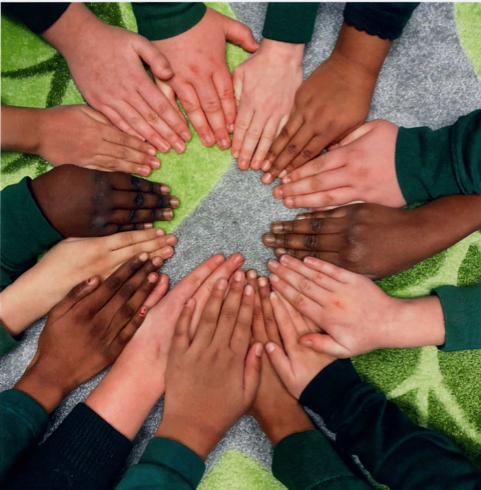
Over the past year, seventeen primary school children in Bristol have worked as participatory researchers exploring questions of space, justice and belonging in schools. Working under the collective name The Space Saviours, the children investigated how the spaces of school shape everyday experiences and developed their own ideas for creating more inclusive, welcoming and just educational environments.
Exploring spatial justice in schools
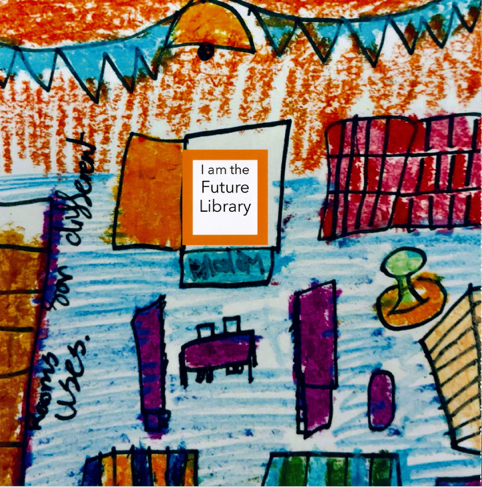
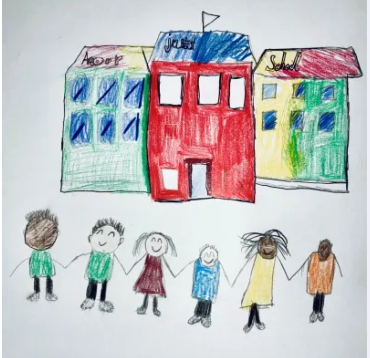
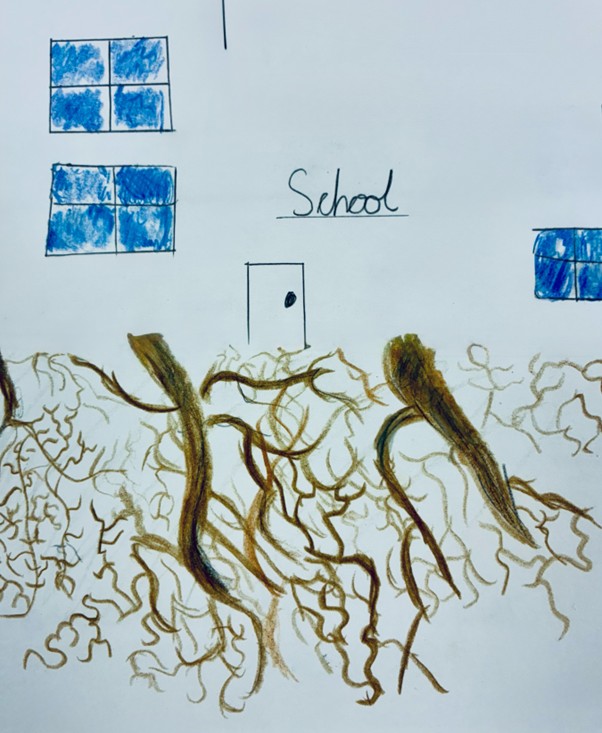
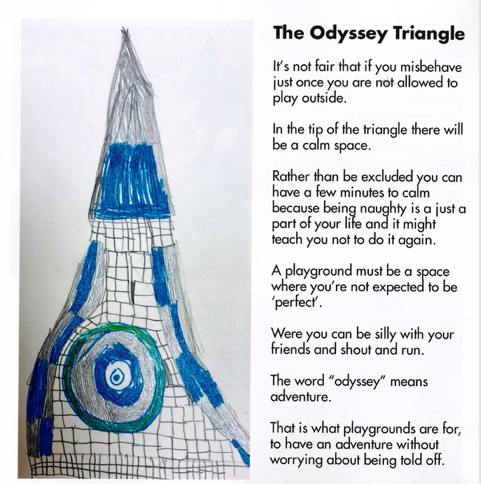
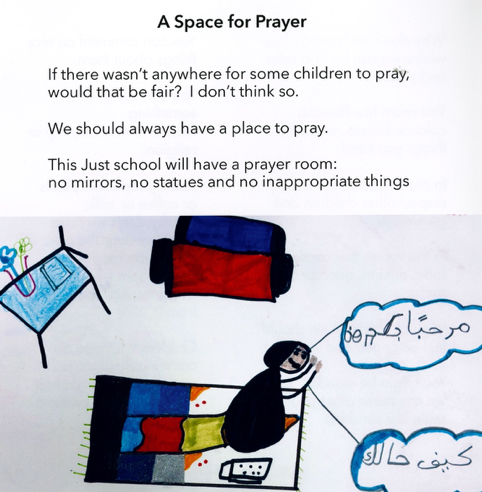
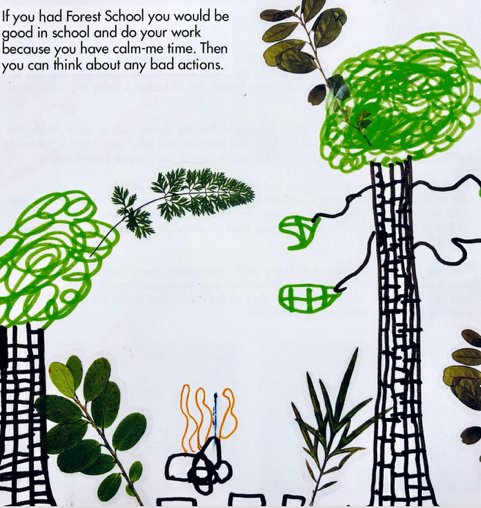
Through a series of arts and literacy-based workshops, the children explored their school through photography, writing, drawing, discussion and design activities. They identified spaces where they experienced exclusion, unfairness, discomfort and a lack of belonging, alongside recognising the protentional in those spaces to help them feel safe, valued and connected to their school community. Drawing on these insights, they developed recommendations for change and brought their ideas together in a collaboratively authored photobook, Spaces of Our Just School: Fair Spaces Make a Fair School (The Space Saviours Collective, 2026).
What followed demonstrates that children’s ideas can do more than reflect on school life; they can actively shape the spaces, decisions and practices that structure it. The research did not end with the publication of the book. Instead, the children’s insights moved into the spaces, decisions and relationships that shape everyday school life, while opening new conversations about what more just educational futures might require.
Drawing on these insights, the children envisioned more just futures for schools and brought their ideas together in a collaboratively authored book, Spaces of Our Just School: Fair Spaces Make a Fair School (The Space Saviours Collective, 2026), which is now a published text available online and in the University of Oxford libraries.
From research to real change
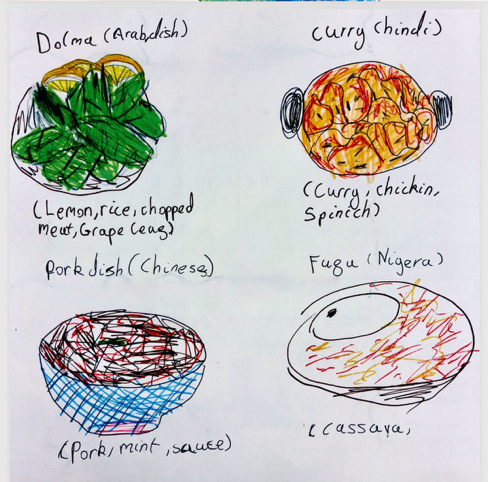
The impact of the children’s research has extended beyond the school itself. Through pupil voice meetings with Aspens, a catering provider serving schools across Bristol, the children shared recommendations around food, culture and representation. These discussions informed the development of menus that include foods from a wider range of cultures, changes that Aspens has committed to rolling out across the schools it serves. As a result, recommendations developed by children in one primary school are helping shape food provision for pupils across Bristol.
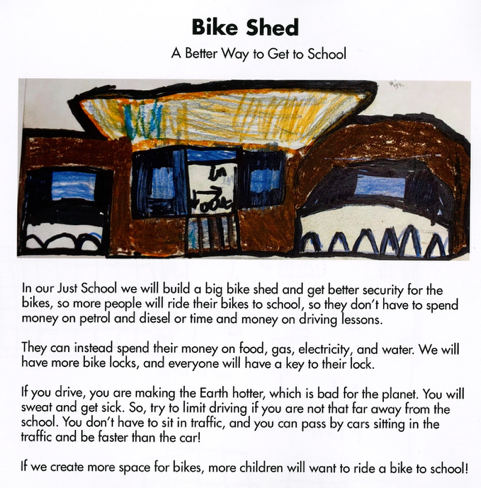
Throughout the project, children were positioned as change-makers whose insights informed decisions about the spaces they use every day. One pupil is currently co-designing the school’s new bike shed, while another has worked with the designers of a new climbing frame to help ensure it is accessible and welcoming to children of different ages and abilities. The children’s recommendations have also contributed to plans to build a dedicated prayer room, a wider school entrance, an outdoor classroom, embed World Culture Week, and environmental initiatives including pupil-led litter-picking groups.
Children as changemakers beyond the school
The children’s ideas have also influenced public and cultural spaces. Working with We The Curious, Bristol’s science and arts centre, they acted as consultants on the development of a public engagement activity exploring space and justice in schools.
Drawing on their research, the children created sculptures and shared their insights into what belonging and inclusion might look like in educational spaces. These ideas will feature in a public exhibition, inviting children from across the city and beyond to reflect on their own experiences of school and imagine more inclusive educational environments.
The children’s research has also begun to influence conversations in Higher Education (HE). In June 2026, they travelled to the University of Oxford to present their research to academics. Their presentation generated considerable interest, with several colleagues requesting copies of the book and one member of staff expressing an interest in including it on the PGCE reading list.
The Space Saviours’ work has shaped decisions about school spaces, informed practices within and beyond the school, contributed to public engagement initiatives, and sparked conversations in HE. Their work offers a powerful reminder that children are not only those who experience schools; they are also capable of helping shape what schools become.
References:
The Space Saviours Collective (2026). Spaces of Our Just School: Fair Spaces Make a Fair School. University of Oxford. https://doi.org/10.25446/oxford.32589144.v1